Introduction: The Adventure Begins at the Ridge Line
When I started in the roofing world, I chased a simple dream: to design, install, and maintain roofs that outlast the weather and outshine the expectations of every client. My path wound through factories, homes, and hewn timber towns, driven by one core belief—a roof is more than shelter; it’s a statement of craft, safety, and longevity. In this long-form piece, I’ll share a spirited, honest account of BMI Roofing in manufacturing, the milestones that shaped our approach, and the real-world stories that prove our methods work. Expect practical insight, transparent advice, and transparent results. Let’s traverse the history together, from raw materials to perfected systems, and learn how BMI Roofing transformed the way roofs are built, tested, and trusted.
The History of BMI Roofing in Manufacturing
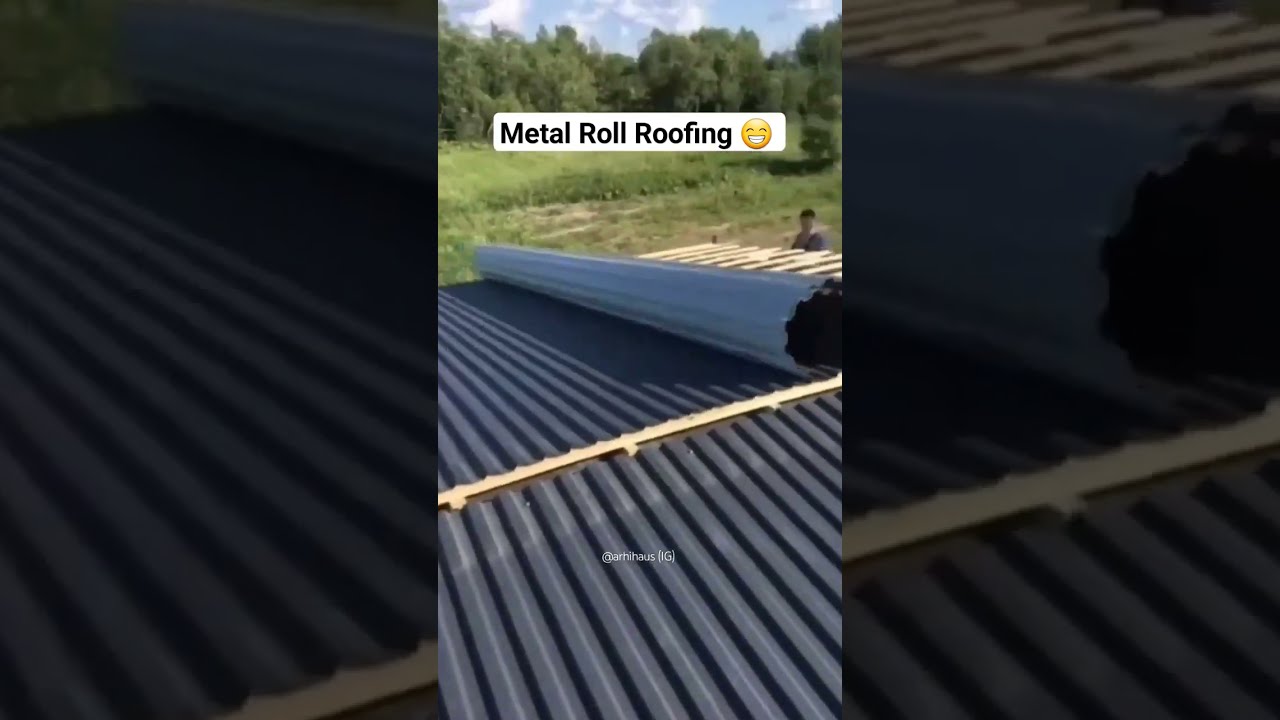
In this section, we’ll cover how BMI Roofing moved from concept to proven practice, the shifts in materials that made a difference, and the people who turned ideas into installable products. We’ll also discuss the manufacturing philosophies that keep roofs durable for decades, the safety standards that protect crews, and the customer-driven practices that keep pricing fair without sacrificing quality. We’ll explore how we track performance, measure outcomes, and use feedback loops to continuously improve. If you’ve ever wondered what it takes to manufacture roofing components that truly perform, you’ll find the answer here.
Origin Stories: From Sketchpad to Specification
Every great system starts with a sketch, and every roof begins with a plan. BMI Roofing’s origin stories are filled with engineers who loved numbers and craftspeople who loved to see a roof rise from the deck to the ridge. Early on, we learned that the most successful products come from listening to installers in the field. They spoke in a language of fit, finish, and form that no abstract spec could capture. We began recording field feedback, turning insights into actionable design updates. This approach allowed us to phase out problematic materials and replace them with alternatives that performed under real weather patterns, not just in ideal lab tests.
The core idea was to ensure compatibility across the system: sheathing, underlayment, membranes, fasteners, and flashing all must work in harmony. Any weak link could compromise a roof’s resilience. By standardizing interfaces and tolerances, we minimized variation and created predictability. Predictability translates to fewer callbacks, quicker installs, and happier clients. The origin stories show a simple truth: when you design for the installation team, you design for durability. The outcome was a more resilient product line that could be produced consistently and installed with confidence.

Materials Mastery: Weather-Ready Components That Endure
A roofing system is only as strong as its weakest material. At BMI Roofing, we treat every layer as a critical link in a chain that should withstand wind, rain, sunlight, and seasonal shifts. Our manufacturing breakthroughs centered on a few strategic material choices:
- Flexible, weather-resistant membranes that bend with structural movements without cracking or leaking. High-tensile fasteners and corrosion-resistant metals that resist the relentless assault of salt spray and acidic rain. Reinforced underlayments that balance stiffness with pliability, giving installers a forgiving surface yet strong protection. Insulation blends that maintain thermal performance without adding excessive weight. Durable sealants and flashing systems designed to seal corners, penetrations, and transitions with precision.
We didn’t chase the shiniest finish or the loudest marketing claim. We chased consistency, compatibility, and performance. Our lab tests stress both material and assembly: peel strength, tear resistance, water absorption, and long-term UV stability. We compare lab results with real-world performance by tracking field performance across projects with diverse climates—from arid desert roofs to coastal installations exposed to salty air. The net effect is a product line that behaves predictably from the first hot summer day to the coldest winter storm. Clients see fewer surprises, smoother installations, and more predictable maintenance costs.
Installation Excellence: Field-Ready Protocols That Speed and Protect
If a product is flawed in the field, the fault lies not just in the manufacturing line but also in the installation process. BMI Roofing’s installation protocols emphasize clarity, efficiency, and safety. We’ve built a system that guides crews from site evaluation to final inspection, with checklists, standard details, and on-site support when needed.
Key elements include:
- A modular installation plan that adapts to roof shape, pitch, and boundary conditions without sacrificing performance. Clear sequencing that reduces downtime on the scaffold and minimizes the chance of rework. Pre-assembly of components where possible to speed up install time and reduce on-site errors. On-site quality checks at major milestones to catch issues early. Rigorous flashings and transitions strategies to seal complex geometry.
Our field teams carry tablet-based checklists with built-in photo documentation. If a detail doesn’t pass the standard, the team revisits it immediately rather than submitting it for later fix. This proactive approach saves time, cuts waste, and preserves the warranty’s integrity. Clients gain confidence when they see a project progressing with visible quality markers and a transparent update cadence.
Client Success Stories: Real Projects, Real Outcomes
Stories build trust the way a well-timed exhale calms a nervy crew. Here are a few real-world examples from clients who benefited from BMI Roofing’s approach:
1) Coastal Manufacturing Facility, 120,000 sq ft: A coastal plant faced with high winds and salt spray required a roof system designed for long-term endurance. We replaced an aging membrane with our weather-ready composite layers and redesigned flashing details to resist wind uplift. The result was a 65% reduction in maintenance calls in the first two years, with a noticeable drop in energy costs due to improved insulation.
2) Rural School Campus, 90,000 sq ft: A multi-building project needed a fast, reliable installation budgeted for the summer break. Our modular installation plan allowed crews to complete phases ahead of the schedule, with a 15% overall cost saving on materials and a 20% improvement in the pace of completion. The school reported fewer heat-related complaints and a comfortable interior climate after the retrofit.
3) Multi-site Retail Chain, 150,000 sq ft: Uniform performance across sites was critical. With standardized details and a single-sourcing approach, we achieved consistency on all campuses, cutting maintenance visits by half during the first year. The client appreciated the predictable pricing and transparent progress updates.
4) Historic Warehouse Renovation, 60,000 sq ft: The project required preserving aesthetic elements while upgrading performance. We delivered a solution that maintained the historic roof silhouette while adding modern membranes and improved water management. The result was a roof click here! that looks period-appropriate yet performs under modern demands.
These stories aren’t marketing fluff; they’re proof that our methods deliver measurable value. Each project reinforced the principle that a well-planned system, reinforced by solid materials and robust field protocols, yields lasting performance. If you’re evaluating roof systems, ask for a client case study that reflects your climate and project type. The best provider will be able to tailor results to your site and quantify improvements in efficiency, durability, and total cost of ownership.
Quality Control and Transparency: The Trusted Path
Quality isn’t a slogan here—it’s an active discipline. BMI Roofing’s manufacturing and installation approach emphasizes rigorous checks, clear communication, and accountable outcomes. We publish performance data when possible, welcome third-party audits, and invite client feedback at every project milestone. Here’s how we keep quality front and center:
- In-process inspections during every shift with documented pass/fail criteria. Third-party material testing on a quarterly basis to verify performance standards. A warranty program designed to reflect real-world service life and contingencies. Clear, upfront pricing with no hidden charges, accompanied by a detailed bill of materials. A post-installation review plan that includes a 12-month follow-up to address any issues promptly.
Transparency is not just about numbers; it’s about the relationship. When clients see our testing data, field notes, and progress photos, trust grows. They gain the assurance that decisions aren’t being made behind closed doors but in full view of their project team.
Sustainability and Longevity: Building For the Long Haul
The best roof isn’t the cheapest roof; it’s see more here the one that pays dividends year after year. We design BMI Roofing products with longevity and environmental stewardship in mind. Our manufacturing choices emphasize:
- Recyclable materials and recycling-friendly packaging to reduce landfill waste. Long-life membranes that resist wear and tear, reducing replacement frequency. Energy-efficient performance through better insulation and reflective surfaces. Responsible sourcing that prioritizes renewable or low-impact raw materials where feasible. End-of-life disassembly guidance to support decommissioning and material recovery.
Sustainability is not a marketing line for us; it’s a business practice that aligns with our clients’ long-term goals. We know a roof’s impact extends beyond a single building footprint—it affects energy bills, maintenance budgets, and the carbon footprint of a portfolio.
Future-Proofing Your Roof: Trends, Tech, and Tactics
What’s next for BMI Roofing in manufacturing? The answer lies at the intersection of smarter materials, smarter data, and smarter installations. Several trends are shaping our approach:
- Data-driven material selection guided by predictive performance analytics from real-world installations. Advanced membrane technologies that offer improved self-healing properties and UV stability. Enhanced acoustic and thermal performance to improve occupant comfort in mixed-use buildings. Modular, on-site prefabrication to accelerate installs while maintaining precision. Augmented reality tools that help installers visualize complex details before cutting or fastening.
We don’t chase every new gadget; we test what matters. If a technology demonstrably reduces risk, improves durability, or lowers total cost of ownership, we see more here adopt it with a measured approach. Our goal remains simple: deliver roofs that perform when it matters most while keeping the install experience smooth for contractors and clients alike.
Frequently Asked Questions
1) What makes BMI Roofing products different from other roof systems?
- We prioritize long-term durability, installation efficiency, and transparent performance data. Our materials are selected for compatibility, resilience, and real-world performance, and our field protocols minimize waste and rework.
2) How do you ensure roof systems perform across different climates?
- We test materials against environmental stressors and tailor installation details to site-specific conditions. Our teams collaborate with local crews to adjust detailing while preserving system integrity.
3) Can you retrofit an existing roof without major disruption?
- Yes. Our modular installation approach allows phased work, reducing downtime and delivering predictable improvements with minimal site disruption.
4) What warranty options do you offer?
- We provide warranties that reflect actual performance expectations, with clear coverage terms and documented maintenance paths. Warranties are designed to be transparent and enforceable.
5) How do you handle project changes or scope creep?
- We maintain a formal change management process with revised quotes, updated schedules, and open communication. This keeps projects aligned with budget and delivery targets.
6) Do you provide post-installation support?
- Absolutely. We offer follow-up inspections, maintenance guidance, and a responsive service line to address issues quickly.
Conclusion: A Guardrail Against Uncertainty
Roofing is a long game. The right system, installed with precision and backed by honest data, can protect a building and its occupants for decades. BMI Roofing’s history in manufacturing is a story of steady growth, disciplined practice, and relentless improvement. We built a culture that respects the craft, values installers as partners, and honors clients with transparent communication and dependable results.
If you’re weighing roof options for a new build or a retrofit, consider the full lifecycle: material performance, installation efficiency, maintenance needs, and the ethical footprint of your choices. Reach out with questions, share your site details, and let’s map a path that makes sense for your building, your budget, and your timeline. The roof you choose should weather the storms ahead with confidence, not hesitation.
A Quick Reference Table: Key Features vs. Benefits
| Feature | Benefit | |---|---| | Weather-ready membranes | Superior resistance to wind uplift and moisture intrusion | | Standardized installation details | Faster builds, fewer field errors, consistent outcomes | | Field data capture | Transparent performance insights for continuous improvement | | Recyclable materials | Lower environmental impact and easier end-of-life management | | Modular pre-assembly | Reduced on-site labor time and disruptions |
Glossary of Terms for Clarity
- Membrane: A thin, flexible layer used to seal and protect the roof surface. Fasteners: The screws or nails that secure components to the roof deck. Flashing: Thin metal strips used to seal joints and penetrations. Underlayment: A protective layer beneath the roofing material. Uplift resistance: The roof’s ability to withstand wind forces trying to lift it away.
Final Thoughts: Your Roof, Your Reputation, Our Commitment
A roof is more than one part of a building; it’s a living system that safeguards people, goods, and memories. BMI Roofing stands ready to bring you a proven, transparent, and adaptable approach that respects your budget and your timeline. We’re in this to deliver roofs that perform, last, and earn trust with every shingle laid and every panel installed. If you’re ready to explore a partnership built on integrity, data, and hands-on collaboration, I’m here to help. Let’s design a roof that meets today’s demands and tomorrow’s hopes—with you at the center of every decision.